When an appliance stops working, most people do not immediately think, “I should call a Repair Company.”
They think, “Maybe I Can Fix this Myself.”
That is Normal.
You hear a strange noise from the washer, your refrigerator is not cooling like it should, or your dishwasher leaves water sitting at the bottom. The first thing most homeowners do is look for a quick answer. They check the plug, restart the machine, search online and hope it is something simple.
Sometimes it is.
Sometimes the fix really is small. A clogged filter. A tripped breaker. A dirty coil. A kinked hose.
But sometimes the problem is deeper, and trying to fix it yourself can waste time, damage the appliance more and create a safety issue.
That is where people get stuck.
How do you know if this is a simple DIY job or something that needs a professional?
That is exactly what this guide is here to answer.
If you are standing in your kitchen or laundry room wondering whether to grab a screwdriver or grab your phone, this article will walk you through the difference in plain language. No complicated talk. No vague advice. Just real situations, real answers, and a clear way to decide what you can handle yourself and what is better left to an appliance repair expert.
Why This Question Matters More Than People Think
A lot of homeowners try DIY appliance repair for one simple reason: they want to save money.
That makes sense.
If your washer will not drain, your first thought is not usually about repair safety. It is about avoiding an expensive service call. If your fridge feels a little warm, you want to know if there is something easy you can do before paying someone to come out.
The problem is that not every “money-saving fix” actually saves money.
A simple DIY step can absolutely help in some cases. But the wrong DIY repair can turn a smaller problem into a bigger one. What might have been a manageable repair can become a damaged motor, a broken board, a water leak and a full replacement situation.
So the smartest goal is not “fix everything yourself.”
The smartest goal is knowing the difference between a safe basic check and a repair that really needs professional hands.
That is what saves money in the long run.
The General Rule: What You Can Usually Check Yourself
Before we get into specific appliances, here is a good rule to keep in mind.
You can often safely check:
- whether the appliance has power
- whether the breaker has tripped
- whether the filter needs cleaning
- whether the machine needs a reset
- whether a hose is bent or blocked
- whether the unit is overloaded
- whether the door is closing and sealing properly
These are the kinds of things a normal homeowner can usually inspect without much risk.
But when the repair involves wiring, gas, motors, sealed systems, control boards and taking apart major internal components, that is usually where DIY should stop.
Now let’s break it down by appliance because this is where most real-life repair decisions happen.
Washing Machine Problems You May Be Able to Fix Yourself
Washers are one of the most common appliances people try to troubleshoot on their own and to be fair, some washer problems really are simple.
Washer Not Spinning
If Your Washer is Not spinning, the First thing to Check is the Load.
A heavy blanket, too many towels and a load packed unevenly can throw the machine off balance. In Many cases, the Washer Stops spinning properly because it is Protecting itself from Damage.
Try redistributing the clothes and running the spin cycle again.
If that does not work, you can also check whether the lid is shutting fully on top-load models or whether the door is sealing properly on front-load models.
That is where safe DIY usually ends.
If the washer still will not spin, the issue may be with the motor, drive belt, lid switch, control board, or suspension system. Those are not usually beginner-friendly repairs.
Washer Not Draining
This is another common issue homeowners can partly check themselves.
If there is water sitting in the drum, you may be dealing with a clogged pump filter or a blocked drain hose. Some Machines have an accessible filter you can clean carefully. You May also be Able to inspect the Hose for visible Kinks and Buildup.
That is often worth checking before calling for repair.
But if you clean the filter, straighten the hose, and the washer still will not drain, the problem may be a pump failure or internal blockage. At that point, a professional repair is usually the smarter move.
Washer Smells Bad
This is often one of the easiest DIY issues.
Bad smells often come from moisture buildup, detergent residue, mildew and a dirty gasket. Running a cleaning cycle, wiping the door seal, leaving the door open after use, and cleaning the detergent drawer can make a big difference.
If the odor keeps coming back even after proper cleaning, there may be trapped buildup deeper inside the machine or a drainage issue causing standing water.
That is when it makes sense to have it checked.
Refrigerator Problems You Can Sometimes Handle Yourself
Fridge problems are where people often take DIY too far, mostly because they do not want to deal with the cost of a refrigerator repair.
That is understandable. But refrigerators are one of the appliances where you need to know your limit quickly.
Refrigerator Not Cooling Properly
There are a few safe things you can check first.
Make sure the temperature settings were not accidentally changed. Check that the door is sealing properly. Make sure food is not packed so tightly that air cannot circulate. Clean the condenser coils if they are dusty and accessible.
Those steps are worth doing.
But if the fridge is still not cooling, the problem may involve the fan motor, thermostat, compressor, evaporator system and control board. That is not a good place for trial-and-error DIY.
And because food safety matters, this is one problem you should not ignore too long. A refrigerator that is only “a little warm” can become a much bigger issue fast.
Refrigerator Leaking Water
A leak can sometimes come from a clogged defrost drain or a simple water line issue.
You may be able to spot obvious water around the base or behind the fridge. You can also check whether the water filter is seated properly and whether the unit is level.
Those are safe checks.
But if the leak continues, it can damage flooring and cabinetry. At that point, it is better to bring in a technician rather than keep wiping up water and hoping it stops.
Ice Maker Not Working
This is another issue that sometimes has a simple answer.
Check the water supply. Check whether the filter needs changing. Make sure the ice maker is turned on and not jammed with frozen buildup.
If those basics do not solve it, the issue may be the inlet valve, sensor, or another internal component.
That is usually where professional repair makes more sense than guessing.
Dishwasher Problems That Often Start as DIY
Dishwashers are one of those appliances that people often give up on too soon or keep using too long.
Both are mistakes.
Dishwasher Not Draining
This is one of the most common dishwasher problems and it often starts with something simple.
You may be able to clean the filter, check for food buildup and inspect the visible drain area. In some cases, that solves the issue completely.
But if the dishwasher keeps ending cycles with standing water, the problem may be deeper in the pump and drainage system.
That is when DIY usually reaches its limit.
Dishwasher Not Cleaning Properly
Before assuming the machine is broken, check the basics.
Are the spray arms clogged? Is the filter dirty? Are you overloading the racks? Are you using the right detergent?
A lot of “bad dishwasher” complaints are really maintenance issues.
But if the dishwasher still is not cleaning well after that, there could be a heating problem, low water flow, circulation pump issue and another internal fault.
That is professional territory.
Dishwasher Smells Bad
This is often fixable with a good cleaning.
Food particles, standing water, sludge and grease buildup can all cause odors. Cleaning the filter and running a cleaning cycle is a smart first step.
If the smell stays even after proper cleaning, the unit may have a drainage issue or buildup in places you cannot easily reach.
Oven and Stove Problems: Be Careful Here
This is where the line between DIY and professional repair matters a lot more, because ovens and ranges can involve heat, gas and electrical systems.
Oven Not Heating Properly
You can check the settings. You can make sure the unit is getting power. You can confirm it was set correctly.
That is about it for most homeowners.
If the oven still will not heat, the cause may be a bake element, igniter, sensor, control board and wiring issue. Those are not repairs most people should try without experience.
Burners Not Working
For electric cooktops, you may be able to check whether the element is seated correctly. For gas burners, you can clean visible burner parts if food debris is blocking ignition.
That is reasonable.
But if the burner still does not work, keeps clicking, sparks oddly and you smell gas, stop there. This is not the time to keep experimenting. Gas and electrical cooking appliances are one of the clearest cases where professional help is the safer choice.
Appliance Problems You Should Usually Not Fix Yourself
Now let’s make this very clear.
Some appliance problems are not worth the DIY risk.
Electrical Problems
If the appliance trips the breaker repeatedly, shows signs of wiring damage, sparks and smells like something is burning, do not keep testing things on your own.
That can be dangerous.
Gas-Related Problems
If you smell gas, have ignition issues that do not go away and suspect a gas-related malfunction, stop immediately and get professional help.
This is not a “watch one video and try it” situation.
Compressor or Sealed System Problems
Refrigerator compressors and sealed systems are not basic DIY repairs. These jobs usually require technical knowledge, tools and proper handling.
Major Motor and Control Board Issues
If the appliance powers on but major functions fail repeatedly, the issue may be with the motor, board and a deeper internal part. That is usually where professional diagnosis matters most.
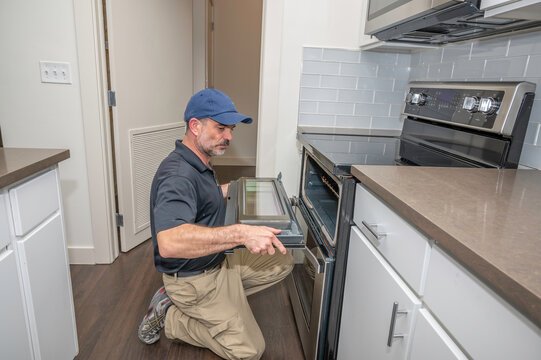
DIY vs Professional Repair: What Actually Saves More Money?
This is where a lot of homeowners need a straight answer.
DIY can save money when:
- the issue is simple
- the fix is safe
- the problem is obvious
- you are only doing basic maintenance or inspection
Professional repair often saves more money when:
- the problem keeps coming back
- the repair involves risk
- the appliance is partly working but getting worse
- the wrong fix could damage the appliance further
- you are not actually sure what the issue is
That last point matters a lot.
A lot of DIY repair attempts fail not because the homeowner is careless, but because they are working on the wrong problem. They replace one part, the appliance still does not work, and now they have spent money and time without solving anything.
In those cases, paying for a professional diagnosis early is often cheaper than guessing.
When You Should Stop Troubleshooting and Call a Professional
Sometimes the biggest question is not “Can I try this myself?”
It is “How long should I keep trying before I call someone?”
Here is the honest answer.
If you tried the safe basic checks and the appliance still is not working, that is usually the point where professional help makes sense.
You should strongly consider calling a repair technician when:
- the appliance is leaking
- the refrigerator is not cooling properly
- the washer will not drain or spin after basic checks
- the dishwasher keeps leaving standing water
- the oven is not heating safely
- the unit makes loud unusual noises
- the same error code keeps coming back
- you smell gas
- you suspect electrical trouble
That is not being dramatic. That is being practical.
The longer some appliance problems sit, the more damage they can cause. Water leaks can damage floors. Cooling failures can waste food. Repeated use of a struggling machine can wear out more parts.
And honestly, there is also the stress factor.
A lot of people spend hours trying to fix an appliance, only to end up frustrated, behind schedule and still needing to book repair anyway.
How This Decision Usually Feels in Real Life
Let’s make this even more real.
If your washer is off balance and just needs the load adjusted, that is a good DIY moment.
If your dishwasher filter is dirty and cleaning it solves the issue, that is also a good DIY moment.
If your fridge is not cooling, your food is getting warm, and you are searching ten different causes online while hoping one random trick works, that is usually the moment to stop and call a professional.
If your oven smells strange, heats unevenly and you are not sure whether it is electrical or gas-related, that is definitely not the time to guess.
The smartest homeowners are not the ones who fix everything themselves.
They are the ones who know what they can handle safely and what is worth handing off before it gets worse.
Final Thoughts
Yes, some Appliance problems can be Fixed at Home.
Simple Things like cleaning filters, checking hoses, resetting the machine, cleaning coils and making sure the appliance has proper power are all Reasonable first steps.
But not every appliance issue should turn into a DIY project.
When the problem involves gas, electricity, motors, control boards, sealed systems, major leaks and repeated failure, professional repair is usually the safer and cheaper choice in the long run.
That is really the big takeaway.
DIY is great for safe basics.
Professional appliance repair is better for deeper problems.
Knowing the difference is what protects your appliance, your home, your time and your wallet.
If you have already tried the simple checks and the appliance still is not doing its job, getting a professional diagnosis early is often the fastest way to stop the problem from getting bigger.
Frequently Asked Questions
Which appliance problems can I fix myself?
You can often handle simple issues like cleaning filters, checking the breaker, resetting the appliance, cleaning refrigerator coils, inspecting hoses and fixing an unbalanced washer load.
Which appliance repairs need a professional?
Repairs involving gas, electrical parts, motors, control boards, compressors, sealed systems and repeated leaks usually need a professional technician.
Is DIY appliance repair worth it?
It can be but only when the problem is simple and safe to check. DIY saves money when it solves the issue. It Costs more when it leads to wrong parts, wasted time and Extra damage
Can I fix a refrigerator that is not cooling?
You can check basic things like temperature settings, door seals, airflow and dirty coils. If the Refrigerator still does not cool, the issue may be internal and should usually be Handled by a Professional
Can I fix a dishwasher that is not draining?
You can often clean the filter and check for visible blockage first. If Water still remains in the bottom after that, the pump or drainage system may Need Repair
Should I repair my oven myself?
Only basic cleaning and setting checks are usually safe for a homeowner. If the oven is not heating properly, has burner issues, smells like gas and seems electrical, professional repair is the better option.
When should I stop troubleshooting and call for repair?
You should stop when the safe basic checks do not solve the problem, when the issue keeps returning, or when there is a risk involving water, food safety, electricity and gas.
Does hiring a professional really save money?
In many cases, yes. A professional can diagnose the real cause faster and help prevent bigger damage, repeated failed DIY attempts and unnecessary part replacements.